
Medical Billing Audit
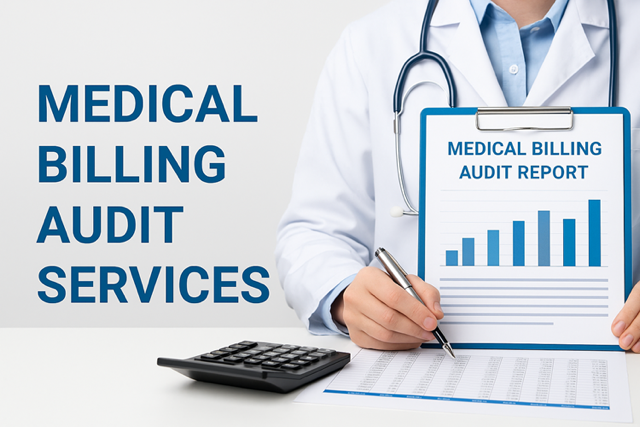
About Medical Billing Audit
A medical billing audit is a systematic review of a healthcare provider’s billing processes and patient records to ensure accuracy, compliance with regulations, and optimal revenue cycle management. They can be conducted internally or externally by third parties like government agencies (e.g., Medicare/Medicaid contractors) or commercial payers.
Purpose and Benefits
The primary goals of a medical billing audit are to
Ensure compliance
Verify adherence to federal and state laws like HIPAA, the False Claims Act, and specific payer guidelines to avoid legal issues, fines, and penalties.
Improve coding accuracy
Identify and correct errors such as upcoding (billing for a more expensive service than provided), downcoding (billing for a less complex service), unbundling (billing bundled services separately), and duplicate claims.
Optimize revenue
Uncover missed revenue opportunities, underpayments, and inefficient processes that affect cash flow.
Support documentation quality
Ensure medical records are complete and accurate to support the medical necessity of billed services.
Enhance patient trust
Ensure patients are billed correctly and fairly, which builds confidence in the provider.
Thorough System Checks
The Audit Process
While the process can vary, a typical medical billing audit involves several key steps

Develop an Action Plan
Based on the findings, create a strategy for corrective actions, which may include staff training, updates to policies, or refining internal controls.
Implement and Monitor
Apply the changes and conduct follow-up audits to ensure the effectiveness of the corrective actions.
Define the Scope
Determine the audit's focus, such as specific physicians, high-risk procedures, or a particular timeframe (e.g., a quarter or a year).
Select a Sample
Choose a selection of patient claims and corresponding medical records for review. This can be a random sample or a targeted one based on identified concerns.
Collect and Review Documentation
Gather relevant documents, including patient charts, superbills, claim forms, and explanations of benefits (EOBs), and compare them to ensure consistency and compliance with coding guidelines (ICD-10, CPT, etc.).
Analyze Findings
Identify discrepancies, coding errors, lack of documentation, or other compliance issues and quantify their financial impact.